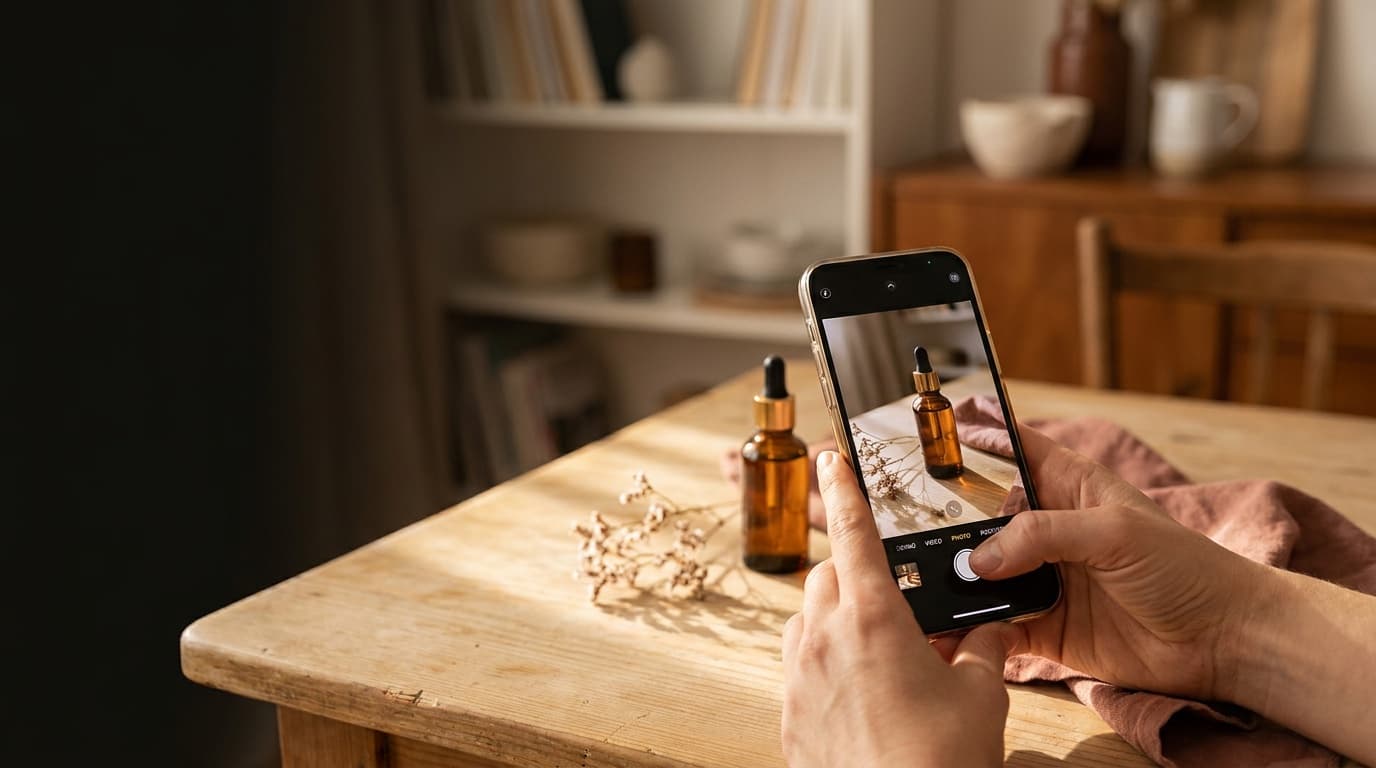
A UGC creator makes authentic-looking content, photos and short videos, for brands to use on their own channels. The brand runs it in ads, on product pages or on its own social accounts. The key difference with an influencer: you're paid for the content itself, not for posting it to your own audience. That's why you can start with almost no followers.
UGC stands for user-generated content. The name is a little misleading, because the content is commissioned and paid for, but it captures the point: it looks like a real person filming in their kitchen, not a glossy studio ad. That authenticity is exactly what brands are buying.
What a UGC creator actually does
You receive a product and a short brief, then you film or photograph it the way a genuine, enthusiastic customer would. Typical deliverables:
- Unboxing videos: opening the package and reacting to the product.
- Testimonials: talking to camera about what you like and why.
- Tutorials and demos: showing the product in use, step by step.
- Lifestyle photos: the product staged naturally in everyday settings.
You hand those files to the brand. What happens next is up to them: they might run your video as a paid ad, drop it on the product page, or post it from their own account. You're the studio, not the billboard.
UGC creator vs influencer: the real difference
People mix these up constantly, so here is the clean line:
| UGC creator | Influencer | |
|---|---|---|
| What you sellThis article | The content, as a file | Access to your audience |
| Where it is published | The brand's channels | Your own profile |
| Followers needed | Few to none | The whole point |
| Paid for | Each deliverable | Reach and engagement |
| Main skill | Making content | Building an audience |
Neither is better. They are two different jobs that happen to use the same phone. Plenty of creators do both: they build a small engaged audience and also sell UGC on the side. If growing that audience is your goal too, our guide on how to become an influencer covers the audience side in detail.
Why brands pay for UGC
Traditional ad production is slow and expensive. UGC is neither. A brand can commission ten short videos from ten creators for the price of one polished studio shoot, and the results often perform better in feeds precisely because they don't look like ads. Viewers scroll past the glossy spot and stop on the one that looks like a friend's recommendation.
So the demand is real and growing, and it rewards a skill (making content) rather than a head start (already being famous).
How UGC creators get paid
This is the part that surprises people coming from the influencer world. You're not paid per view or per follower. You're paid per deliverable: a set fee for a video, a bundle, or a batch of photos. Rates vary a lot by niche and experience, but the two levers that move them most are:
- Usage rights. A brand that only posts your video once on its own feed pays less than one that runs it as a paid ad for months. Ad usage, whitelisting and exclusivity all raise the price, so always ask how and how long the content will be used before you quote.
- Volume and reliability. A brand that can send you ten briefs and trust you to deliver on time pays for that consistency. Repeat clients, not one-off gigs, are where the steady income sits.
Because pay tracks the content and its usage rather than your reach, a careful beginner with a small following can out-earn a bigger creator who treats it casually. Confirm current market rates for your own niche before you set prices, as they move fast.
Types of UGC content that work
Not every format sells equally well, and brands tend to order the same handful over and over.
- The unboxing. The first contact with the product, filmed in one take. It works because the reaction is hard to fake and the format is instantly readable.
- The demo or tutorial. The product in actual use, solving one specific problem. This is the format brands reorder the most, because it doubles as a product-page asset.
- The testimonial. You talking to camera about one concrete benefit. Short, plain, no set. Brands use it for paid ads.
- The before and after. Only where it's honest and the category allows it, typically skincare, cleaning, or organisation.
- The "three reasons" list. A structured piece that's easy to cut into several ad variants, which is exactly why media buyers like it.
If you're building your first samples, film one unboxing and one demo. Those two cover most of what a brand will ask you for, and they show you can handle both a reaction shot and a structured script.
What you need to start
You don't need a big audience, a ring of equipment or an agent. You need three things:
- A portfolio. Three to five sample videos or photos, even self-made for products you already own, so a brand can see your style.
- A rate card. A simple list of what you offer and what it costs. Keep it flexible while you learn what the market pays.
- One link in bio. A single place a brand can land on to see your work, your rates and how to reach you. This is the piece most beginners skip, and it's the one that turns a profile view into a booking.
That last point matters more than it looks. A brand that finds your Instagram has about five seconds of patience. If your bio link is a dead end, or points to five separate places, you lose them.
Where a link in bio fits
Many UGC creators also recommend products to their own audience on the side, with affiliate links and promo codes. If that's you, that's exactly what a recommendation page is built for: one address, in your bio, that gathers everything you point people to.
 -10%
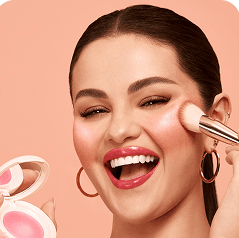
-10%Rare Beauty
Soft Pinch Blush
“My must-have blush: one swipe and it lasts all day.”
With Spotilink you build each card by hand: your own photo, your own words and a promo code to copy, with a Learn more button sending the click to the store, and no price on show. It's 0% commission on your affiliate earnings, the custom URL is included on the free plan, and you can see how many clicks each card sends. Honest limit: Spotilink is a recommendation showcase, not a host for your brand video deliverables, so keep a separate portfolio for those.
Start for free
Being a UGC creator is a real, accessible job: you sell content, not clout, so you can begin today with a phone and a few samples.
If you also point your audience toward products you love, gather those recommendations in one place and put that single link in your bio. Create your free recommendation page and give every video, new or old, somewhere useful to send people.