The Amazon Influencer Program is Amazon's affiliate track built specifically for social media creators. Instead of dropping links into a blog, you get your own shoppable Amazon storefront, a public page at amazon.com/shop/yourname, plus the ability to publish shoppable photos and videos directly on Amazon. For a creator who already posts product recommendations on Instagram, TikTok or YouTube, it's one of the most natural ways to start earning commissions, and sign-up is free.
This guide explains what the program is, who it's for, how it differs from the classic Amazon Associates program, the requirements, how to apply step by step, and how to turn your storefront into actual sales.
What is the Amazon Influencer Program?
It's an extension of Amazon's affiliate ecosystem aimed at creators with an engaged social following. Once accepted, you can:
- Claim a personalized Amazon storefront (
amazon.com/shop/yourname) where you curate the products you recommend. - Organize those products into idea lists and categories your audience can browse.
- Publish shoppable photos and videos that appear on product pages, in Amazon's feeds and on your storefront.
- Go live with Amazon Live to demo products in real time with clickable carousels.
- Earn commissions when your audience buys through your storefront and content.
The big idea: you don't send people to a generic Amazon search. You send them to your curated shop, where your taste and your recommendations do the selling.
Amazon Influencer Program vs Amazon Associates
People mix these two up constantly, so here's the clean distinction. Both are free, both pay commissions, and you can absolutely use both at once, but they're designed for different setups.
Link list
- My favorite serum
- Sephora promo code
- My YouTube channel
- My Vinted closet
The visitor doesn't know why to click.
Recommendation showcase
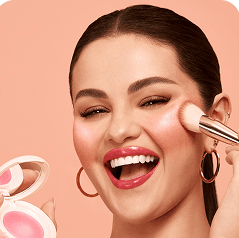
Rare Beauty
Soft Pinch Blush
Aesop
Glow serum
Every card gives a reason to click → more qualified clicks.
| Amazon Associates | Amazon Influencer Program | |
|---|---|---|
| Built for | Bloggers, site owners, anyone with links | Social media creators |
| Main asset | Affiliate links you place anywhere | A shoppable storefront (amazon.com/shop/...) |
| Website needed? | Usually expected | No, a qualifying social account is enough |
| Shoppable photos/videos | No | Yes (on Amazon product pages + storefront) |
| Amazon Live | No | Yes |
| Sign-up cost | Free | Free |
In short: Associates is the foundation (links you scatter across the web), while the Influencer Program is the creator layer on top, a storefront and shoppable content that live natively on Amazon. If you're brand new to Amazon affiliation, it's worth understanding the basics of becoming an Amazon affiliate first, since the two programs share the same commission engine.
Amazon Influencer Program requirements
There's no single magic follower number. Amazon evaluates applicants on a mix of signals:
- A qualifying social account. You apply by connecting an active public account on Instagram, YouTube, TikTok or Facebook. YouTube channels are often judged on subscribers and views; Instagram, TikTok and Facebook on followers and engagement.
- Genuine engagement. This is the part creators underestimate. Amazon cares more about your engagement rate, real comments, likes, views relative to your audience, than a raw follower count. A focused 12k-follower account that genuinely interacts can beat a bloated 80k account that doesn't.
- Content quality and relevance. Original, on-topic content that naturally features products you'd recommend signals to Amazon that you can drive sales.
- An Amazon account in good standing. You sign in with a normal Amazon customer account to apply.
Because the bar is judged case by case, a smaller creator with a tight niche and strong engagement is often accepted, while a larger but passive account is declined. If you're turned down, keep building and reapply later, it's not permanent.
Don't obsess over hitting a follower threshold. Amazon is looking for creators who can convert, engaged audiences in a clear niche. Quality of audience beats size almost every time.
How to join the Amazon Influencer Program
The application itself is quick, the wait is the variable part. Here's the path:
- Sign in. Head to the Amazon Influencer Program page and sign in with your Amazon account.
- Connect your strongest social account. Link the platform where you have the most engaged following so Amazon can evaluate you.
- Wait for the evaluation. Amazon reviews reach, engagement and content. This can take a few days to a couple of weeks.
- Set up your storefront. Once approved, claim your
amazon.com/shop/yournameURL, add a photo and bio, and start curating. - Add shoppable content. Publish shoppable photos and short videos so your shop is browsable, not a flat link dump.
- Distribute the link. Put your storefront everywhere your audience is.
(These same steps are summarized as structured how-to data above.)
Your Amazon storefront: the heart of the program
Your Amazon storefront is the asset that makes the Influencer Program worth it. It's a clean, branded page at amazon.com/shop/yourname that you fully control. Treat it like a real shop, not a junk drawer:
- Organize into idea lists. Group products by theme, "My desk setup," "Skincare routine," "Travel essentials." Browsable lists convert far better than one giant pile.
- Lead with shoppable photos and videos. A 20-second clip of you actually using a product is the single highest-converting format on a storefront. Amazon also surfaces those videos on the product's own page, where ready-to-buy shoppers see them.
- Keep it current. Refresh seasonally, remove out-of-stock items, and push new finds to the top.
- Use Amazon Live when it fits your niche, live demos with clickable product carousels can drive a burst of sales and bonuses.
A well-built storefront becomes an evergreen asset: you curate it once, and it keeps earning every time someone browses and buys.
How commissions work
You earn a commission on qualifying purchases made through your storefront and shoppable content. The rate is not flat, it varies by product category (some categories pay several percent, others much less), and Amazon adjusts these rates over time. There are also periodic bonuses tied to shoppable videos and Amazon Live activity.
Because the exact percentages change, don't trust a number you read in an old blog post (including this one). Always check Amazon's Associates commission income statement for the current per-category rates before you plan your strategy. The practical takeaway: lean into categories your audience actually buys, and remember that the 24-hour-ish purchase window Amazon is known for means same-session conversions matter most, your job is to make people click now.
Tips to get accepted and to drive sales
- Tighten your niche before applying. A clear, consistent theme reads as "this creator can sell X" to both Amazon and your audience.
- Boost engagement, not just followers. Reply to comments, ask questions, post content that gets saves and shares, that's what the evaluation rewards.
- Make content shoppable, not salesy. Honest demos and "here's what I actually use" beat hard pitches.
- Reuse your social videos as storefront shoppable videos, double the value from one shoot.
- Always send traffic somewhere clickable. A mention with no easy path to buy is a wasted recommendation.
Amazon
My everyday ceramic pour-over
“I've used this every single morning for a year, it's the first thing I add to any 'kitchen essentials' storefront list.”
Turn one link in bio into your whole storefront
Here's the catch most creators hit: you don't just have an Amazon storefront. You probably also have a few direct brand programs, a promo code or two, maybe a newsletter. Social bios only give you one link, so you need a single page that holds all of it.
That's exactly what a link-in-bio page does. You drop your amazon.com/shop/yourname storefront alongside your other affiliate links and codes, and your Instagram or TikTok audience reaches everything from one tap. Spotilink centralizes all your affiliate links and your Amazon storefront on one page, and takes no commission on your affiliate earnings.

Helena Yung
Beauty & Lifestyle
My favourite
Rare Beauty
Soft Pinch Blush
« My holy grail »
My skincare routine
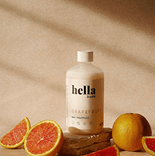
Hella
Grapefruit
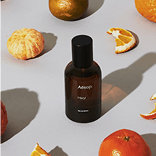
Aesop
Mandarin
Dosage
Coffee
My essentials


Poll
Your skincare routine?
To go further, compare Amazon against the rest of the landscape in our guide to the best affiliate marketing platforms, or step back to the pillar overview of affiliate marketing for creators.