Affiliate marketing for beginners comes down to one simple idea: you recommend a product you genuinely love, and you earn a commission when someone buys through your link, with no product to create, no stock and no customer support. It's the most accessible way to monetize an audience as a creator. If you're starting from zero, this guide explains what affiliate marketing is, shows you how to start affiliate marketing step by step, and walks you all the way to your first commission.
What is affiliate marketing, concretely?
Affiliate marketing rests on three players: the advertiser (the brand), the affiliate, also called the publisher, (you, the creator) and the customer (your audience). Often a fourth player slots in: the affiliate network (a platform like Amazon Associates, ShareASale, CJ Affiliate or Awin), which connects brands and creators, supplies the links, tracks sales and handles payments. The brand gives you a unique link that identifies you. When one of your followers clicks that link and buys, the sale is attributed to you and you receive a commission, a percentage of the amount.
You front no money and you manage nothing beyond the recommendation. Your only job: recommend the right products to the right people, with enough conviction to make them want to click. It's one of the most accessible branches of digital marketing: you use your audience on social media as a distribution channel, with no ad budget and no product to create.
The payment models: CPA, CPL, CPC
Not all affiliate campaigns pay you the same way. Three models come up most often:
- CPA (cost per acquisition / per sale), the most common for creators: you earn a commission only when your follower buys. It's Amazon's model and that of most brands.
- CPL (cost per lead), you're paid when your follower completes an action without necessarily buying: creating an account, requesting a quote, signing up for a trial. Common in services (apps, insurance, courses).
- CPC (cost per click), rarer in pure affiliate marketing, you're paid per click generated, regardless of the purchase.
To get started, you'll mostly run into CPA. Just remember that CPL can be interesting in certain niches where sign-up is free: your audience doesn't even need to pull out their card for you to get paid.
Cookie and attribution window
When your follower clicks your link, the program drops a cookie in their browser. That cookie has a lifespan, the attribution window, during which a purchase will be credited to you. It ranges from 24 hours (Amazon) to 30, 60 or even 90 days depending on the brands and networks. The longer the window, the better your chances of earning a commission even if your follower thinks it over before buying. It's an important criterion when you compare two programs: at equal commission, a longer attribution window mechanically earns more. Note too that attribution is generally "last click": it's the last affiliate link clicked before the purchase that wins the commission.
Why it's the best starting point for a creator
- Zero barrier to entry: no product to create, no shop to set up.
- It works from a small audience: a highly targeted micro or nano-creator often converts better than a huge generalist account.
- It compounds: your recommendations stay online and keep generating clicks over time.
Getting started in 5 steps
- Choose your niche. Recommend what you genuinely use (beauty, tech, lifestyle…). Authenticity is what converts.
- Sign up for one or two programs. Start simple: the Amazon Associates program, plus one brand you love. You'll expand later.
- Generate your affiliate links. Each program gives you a unique link per product.
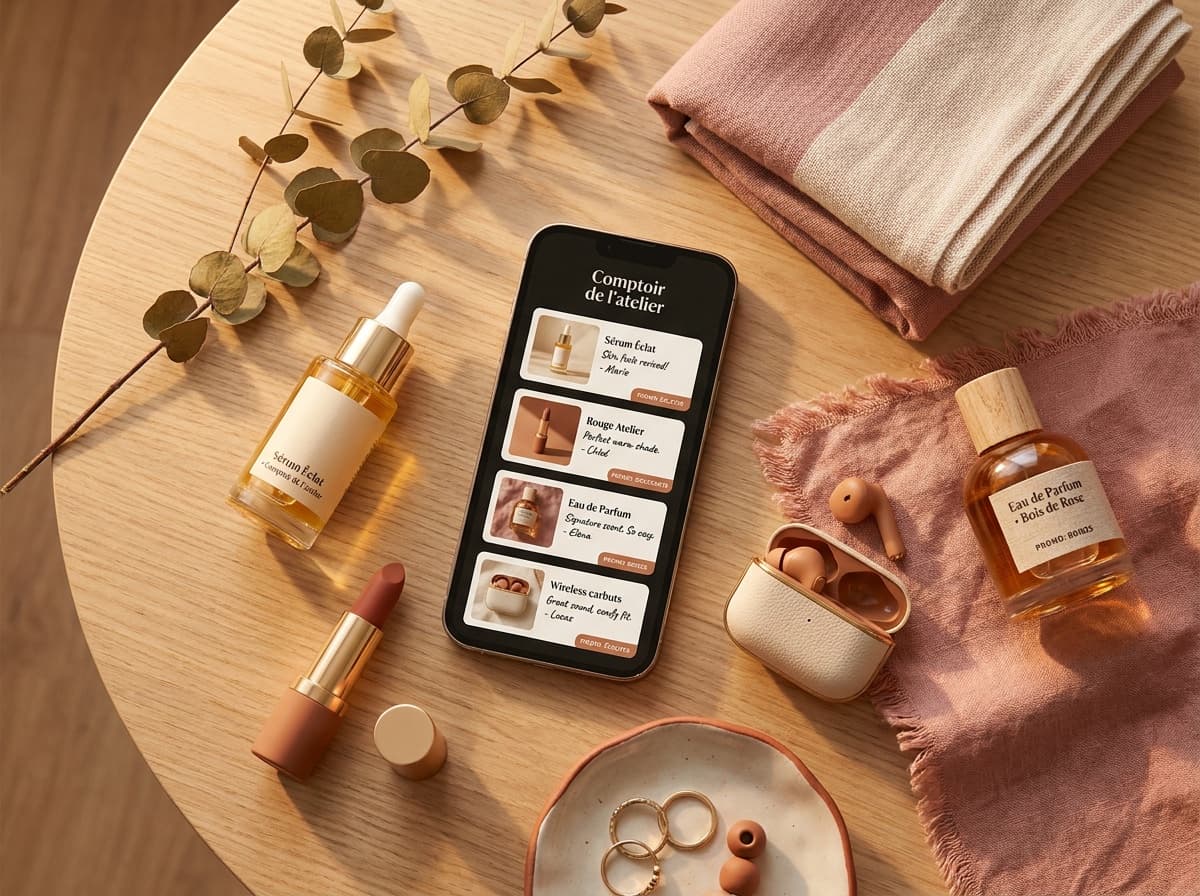
- Present your recommendations as cards, not bare links. A list of links asks your audience to guess. A card with your photo, your review and your promo code makes them want to click.
- Centralize everything on your link-in-bio page. That's where Spotilink groups your affiliate links into a recommendation storefront, behind your single Instagram or TikTok link.
Link list
- My favorite serum
- Sephora promo code
- My YouTube channel
- My Vinted closet
The visitor doesn't know why to click.
Recommendation showcase
Rare Beauty
Soft Pinch Blush
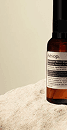
Aesop
Glow serum
Every card gives a reason to click → more qualified clicks.
A ballpark, to set expectations. With an audience of around 15K highly engaged beauty followers, a 2% click-through rate on your cards and an average commission of 8%, you can aim for a few dozen to a few hundred dollars (or euros) a month. The key: this income grows with the consistency and the conviction of your recommendations, not with the number of links you pile up.
On Spotilink, you build each card yourself, your photo, your review, your promo code, your affiliate link, and you keep 100% of your affiliate commissions: Spotilink never gets between you and the affiliate payment flow. For collabs settled via Spotilink's secure payment, 5% + fees apply.

Helena Yung
Beauty & Lifestyle
My favourite
Rare Beauty
Soft Pinch Blush
« My holy grail »
My skincare routine
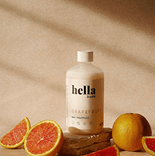
Hella
Grapefruit
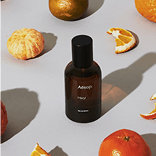
Aesop
Mandarin
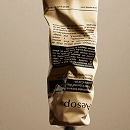
Dosage
Coffee
My essentials


Poll
Your skincare routine?
Which affiliate platform to choose
An affiliate platform (or network) groups hundreds of brand programs into a single dashboard: you generate your links, track your clicks and receive your commissions in one place. You don't need to sign up everywhere. The most effective approach is to combine a large generalist catalog, like the Amazon Associates program, with one or two brand platforms aligned with your niche. We compare the options in our guide to the best affiliate marketing platforms for creators.
Where to share your affiliate links
Your links are useless if they're scattered across stories or DMs. The best places:
- Your link-in-bio page, the central hub, always visible.
- Your stories and videos, to push a specific product, always pointing back to your page.
- Your descriptions (YouTube, TikTok), durable and well indexed.
The idea is to funnel everything toward a single page that recommends on your behalf, 24/7.
How to declare your affiliate income
Affiliate income is taxable revenue almost everywhere: from your very first commissions, you'll usually have to declare it. So once the money starts coming in, you generally need to register as self-employed and report it. The exact setup, sole proprietorship, single-member LLC, or another structure, and the income thresholds at which registration becomes mandatory vary by country, so check your local tax authority or talk to an accountant for the regime that fits your situation. The practical takeaway is the same everywhere: keep a simple record of what you collect from each program, since those payouts are income you'll need to declare. It's nothing complicated to get started in affiliate marketing, just don't ignore it.
Legal disclosure: flagging your links
Transparency isn't optional: in most countries, advertising and consumer-protection rules require you to clearly state when content is sponsored or contains affiliate links (for example the FTC in the US, the ASA/CMA in the UK, and equivalent regulators elsewhere). In practice, add a visible disclosure, an #ad, "affiliate link," "commercial collaboration" or "sponsored link", on the content concerned. Far from being a hurdle, it's a trust signal: your audience knows where they stand, and you protect yourself legally. For the exact obligations that apply to you, refer to your local regulator and the rules in force (see also the FAQ below).
Beginner mistakes to avoid
- Recommending anything for the commission. Your audience can feel it, and a single bad recommendation chips away at the trust you spent months building. Only push what you genuinely use.
- Piling up programs. Signing up everywhere from the start scatters your efforts. Start with one or two programs and work them well.
- Pasting bare links. Without context or a review, a link barely converts. Turn every recommendation into a card.
- Ignoring the numbers. Track your clicks and your sales: you'll quickly learn which products and which attribution windows pay off, and which to drop.
- Forgetting the affiliate disclosure. Beyond the legal requirement, it's what sets a trusted creator apart from an account that spams.
In summary
Affiliate marketing is one of a creator's four main revenue sources. For the full picture (brand collabs, products, UGC) and the ballpark figures per model, check out our guide to creator monetization.
It's also the fastest channel to launch. The key isn't to accumulate links, but to turn every recommendation into a convincing card and centralize everything on your link-in-bio page, to convert your followers into clicks, and your clicks into commissions.